HUNTINGTON
CASTLE AND
GARDENS
HUNTINGTON
CASTLE AND GARDENS
POCKET IRELAND › Place Guides › Huntington Castle and Gardens
See also: Castles Photo Gallery
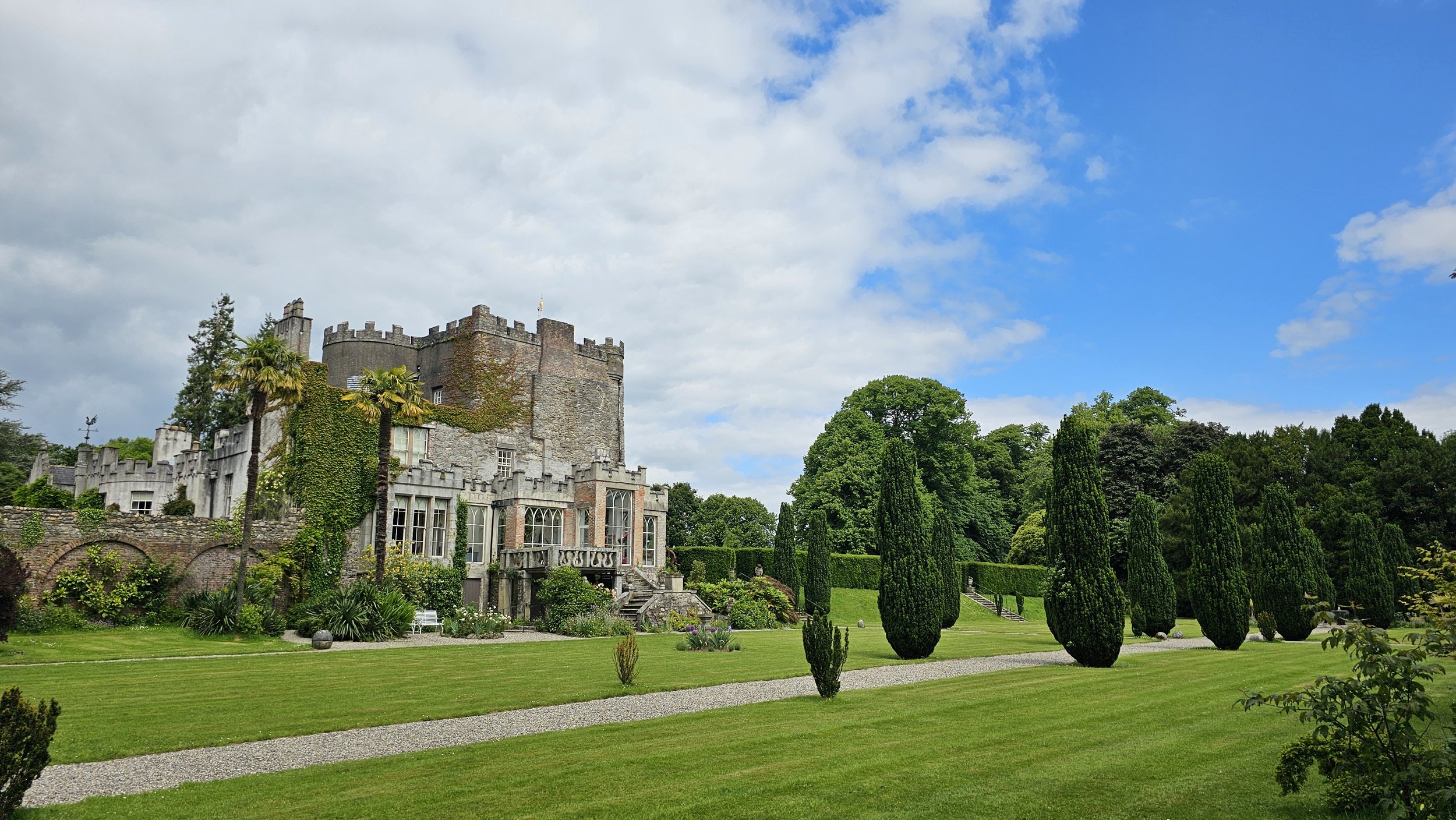
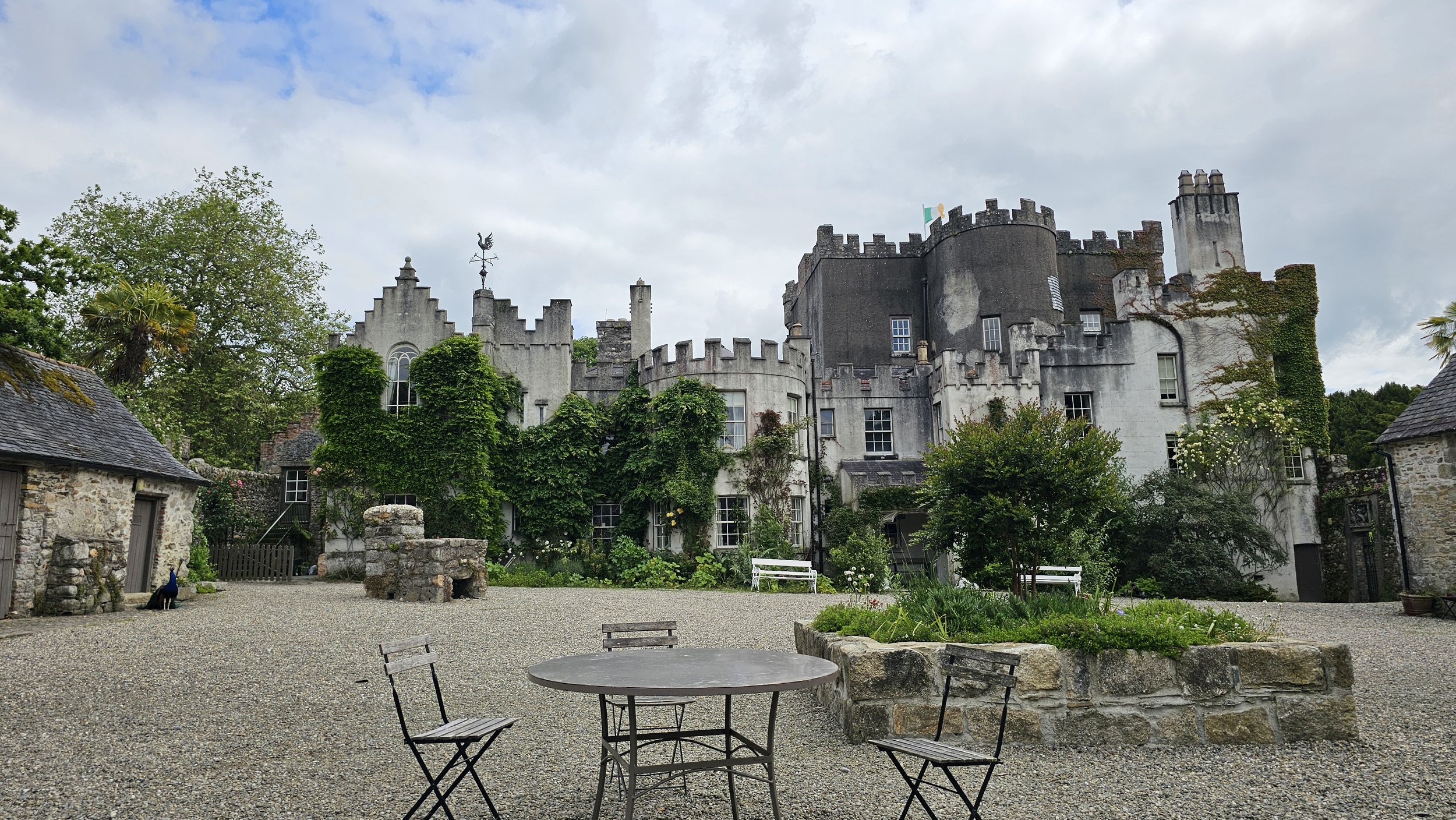
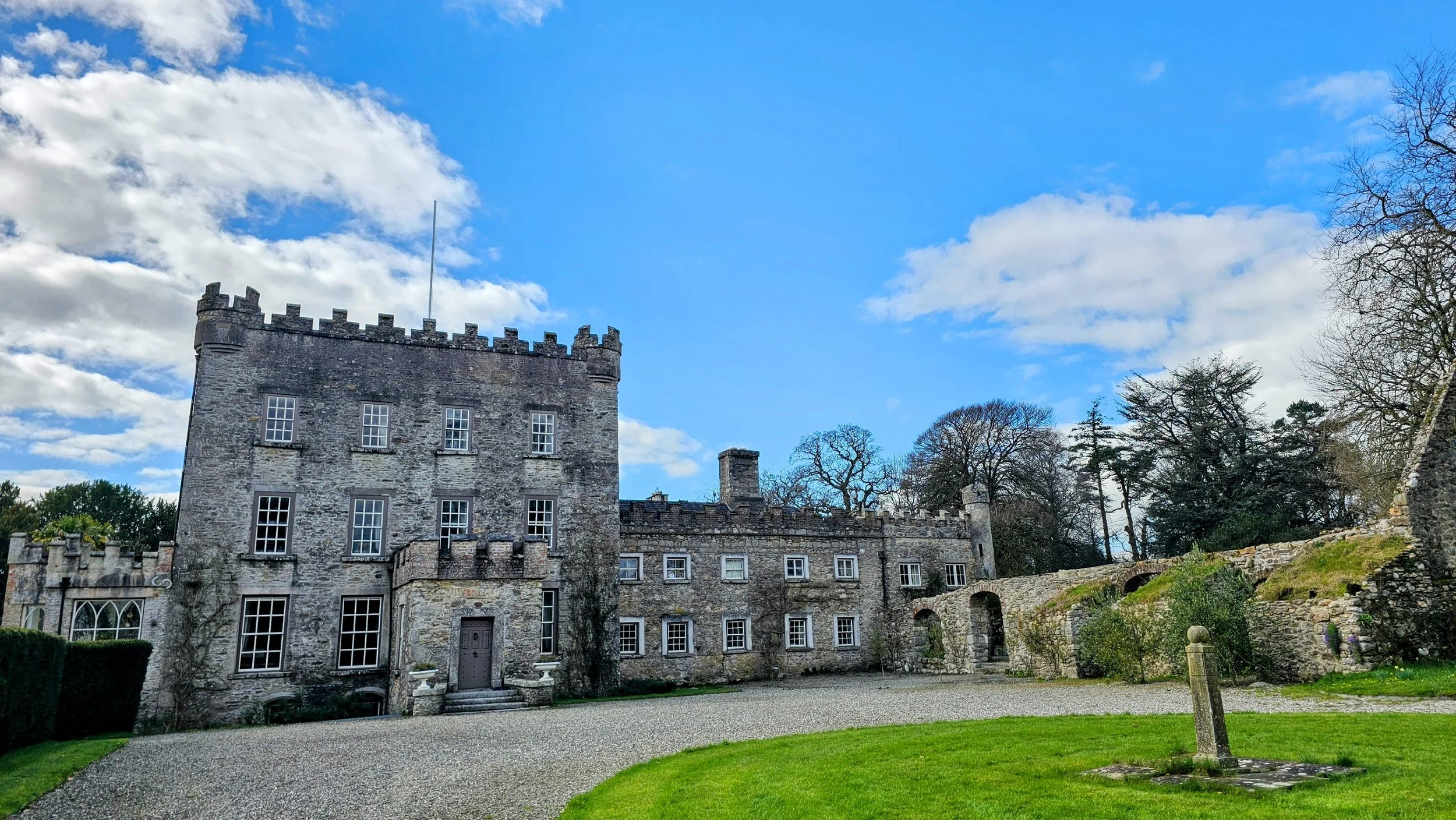
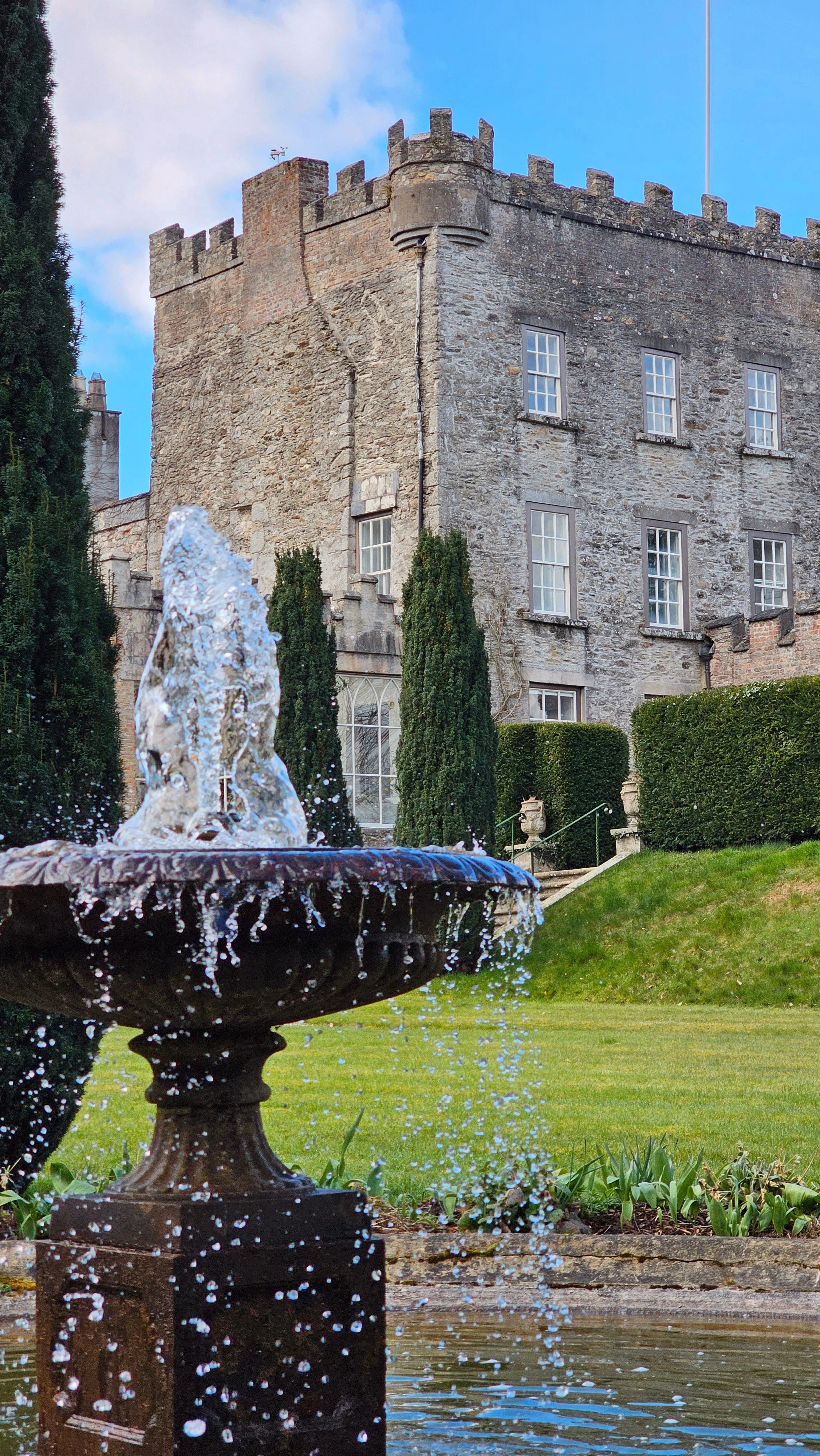
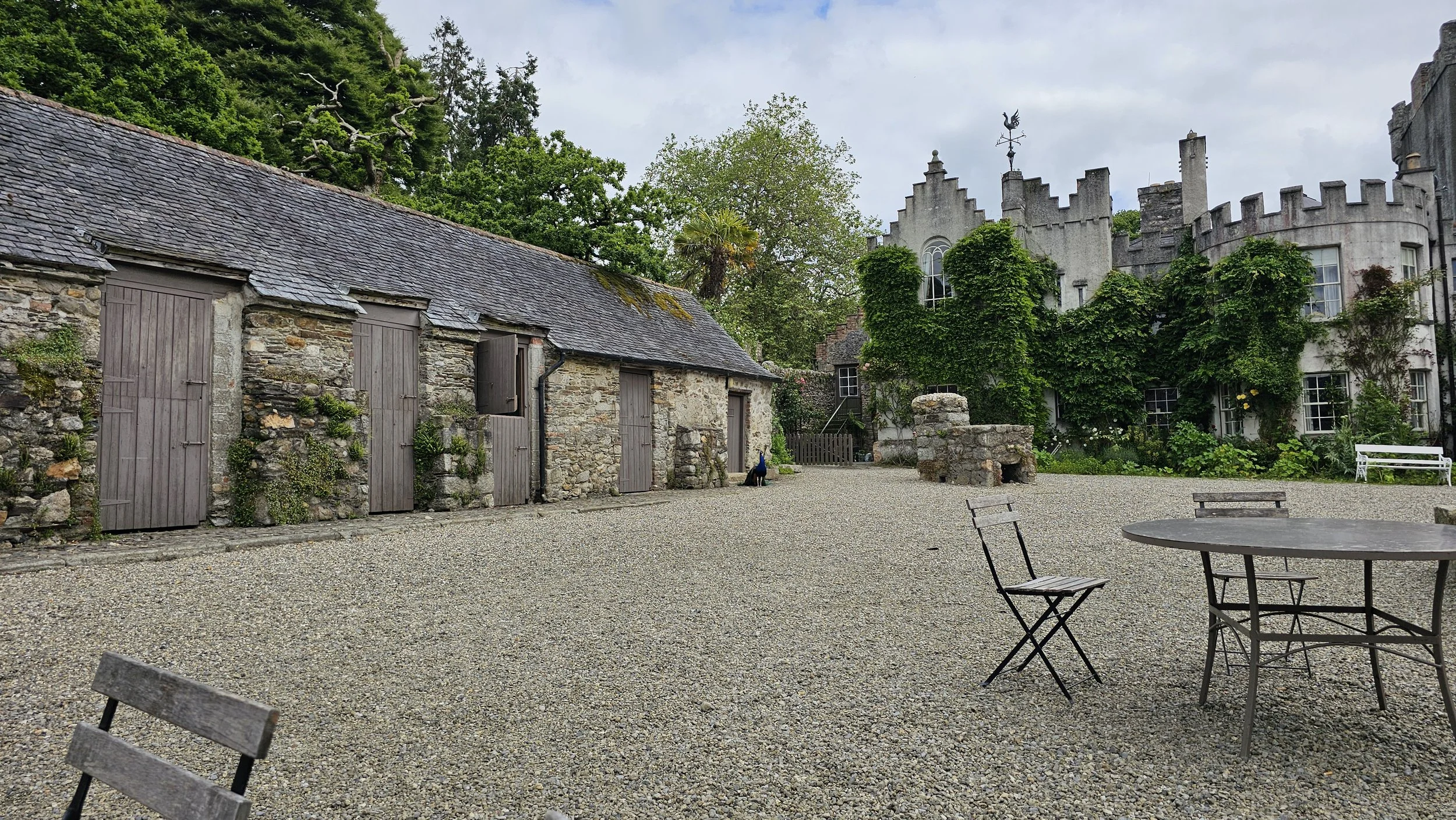
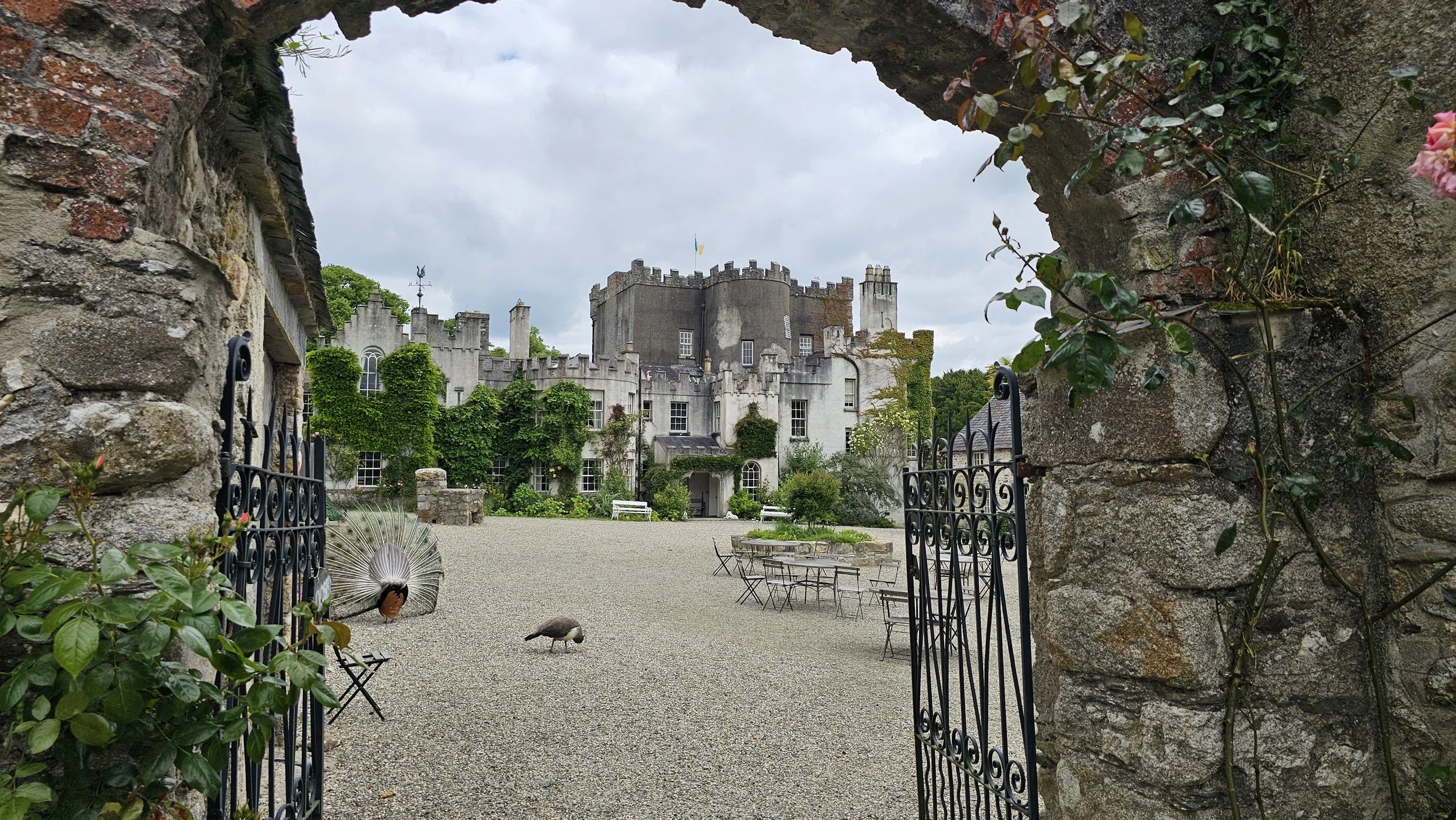
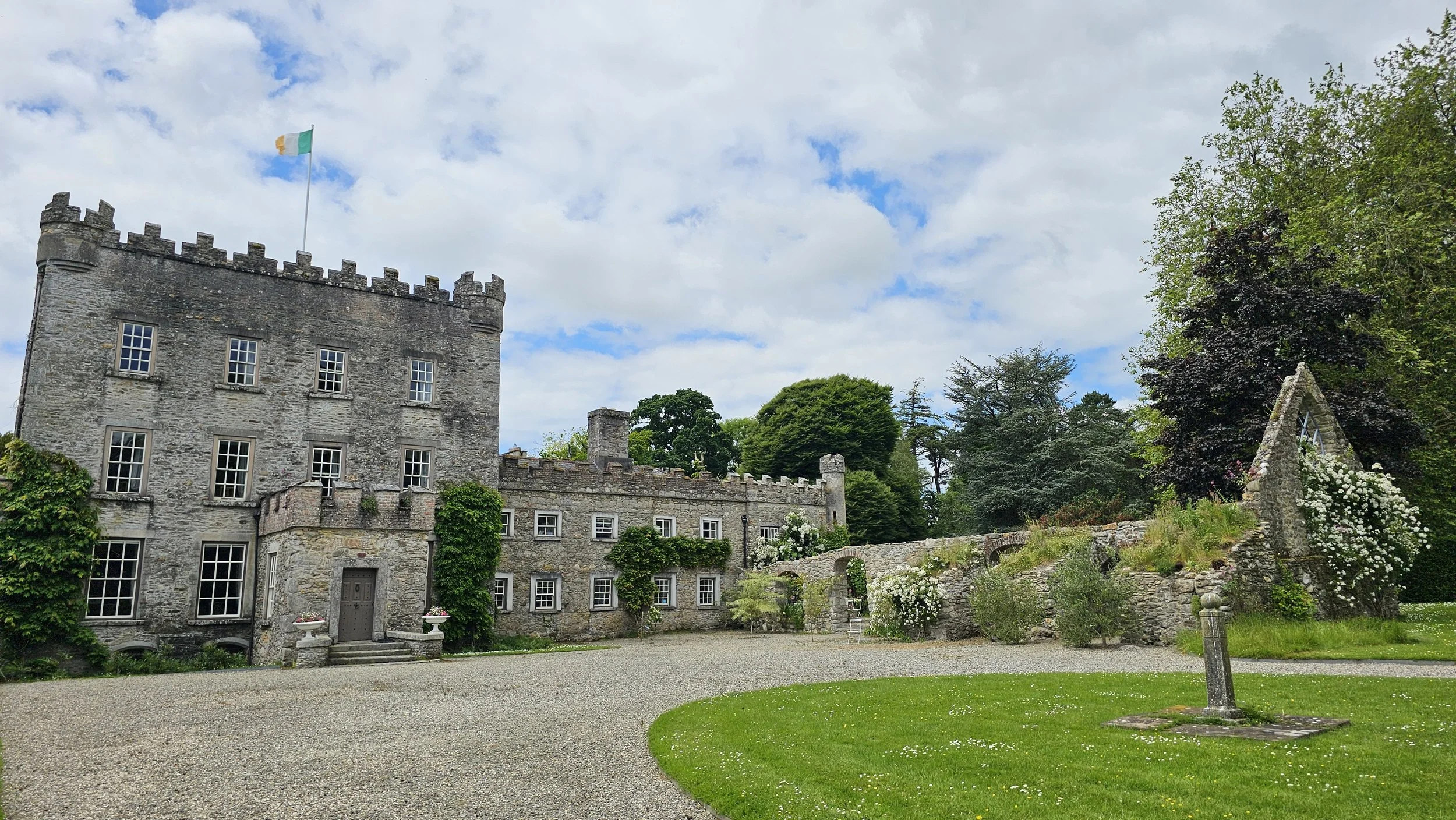
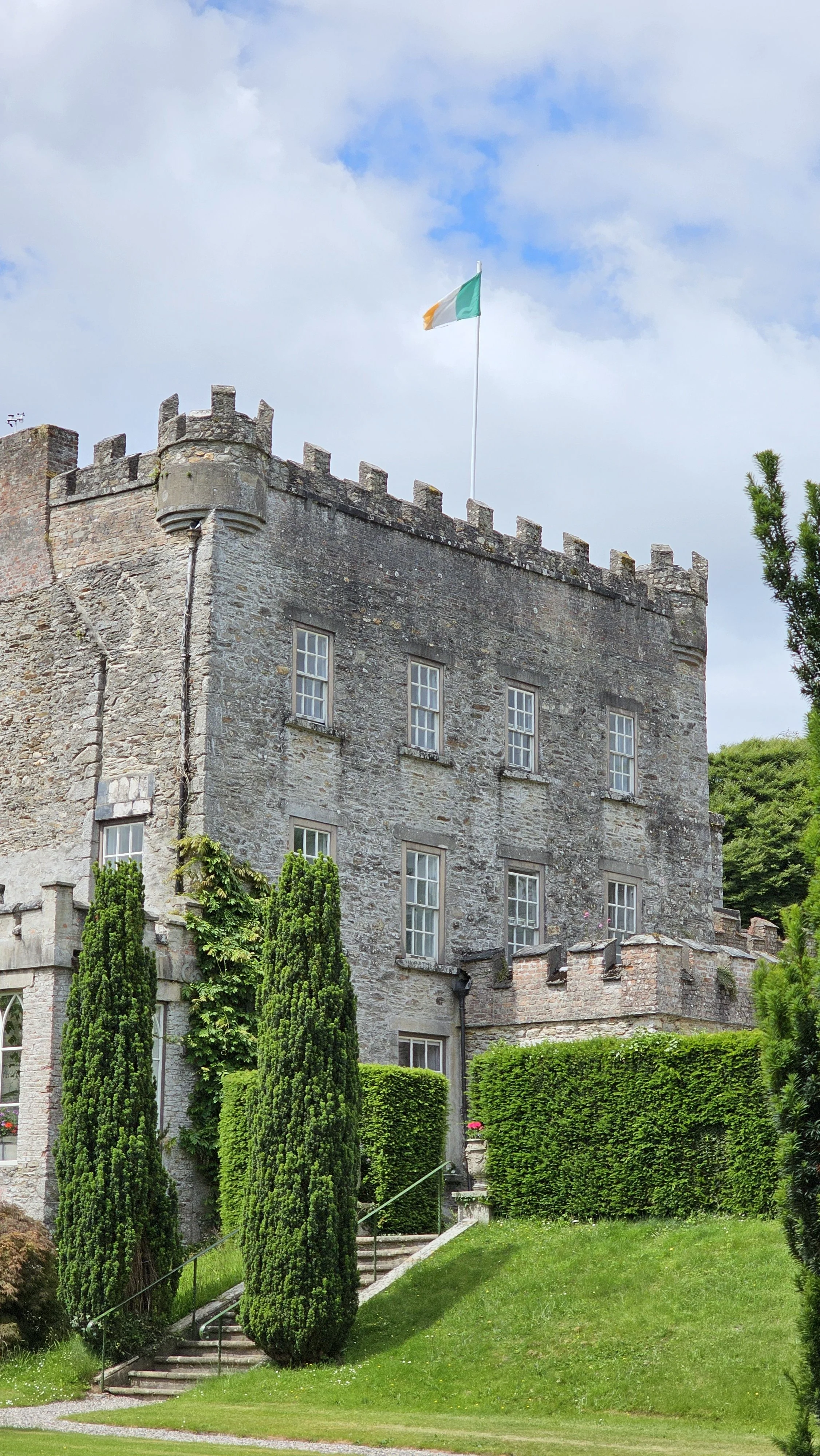
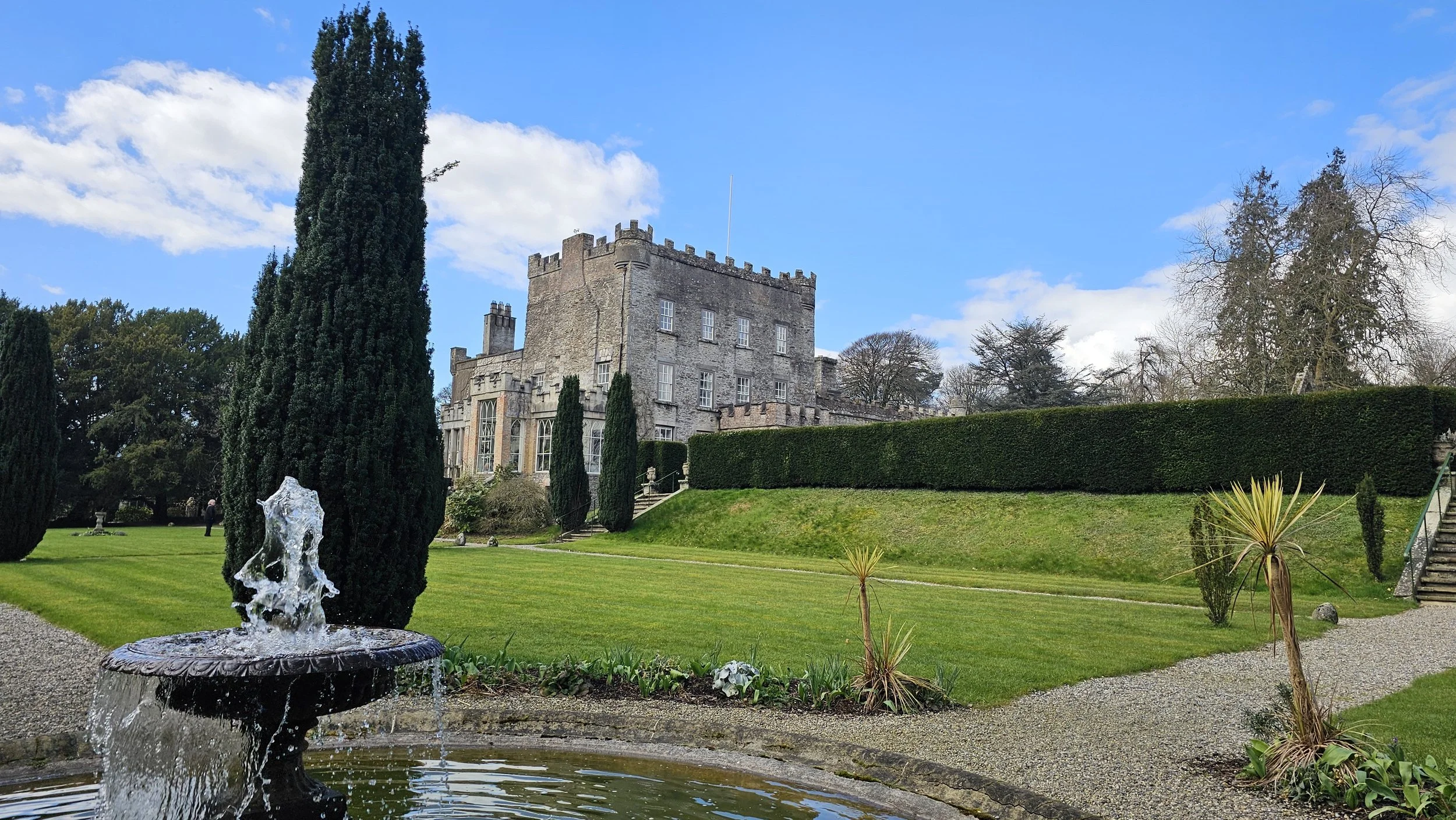
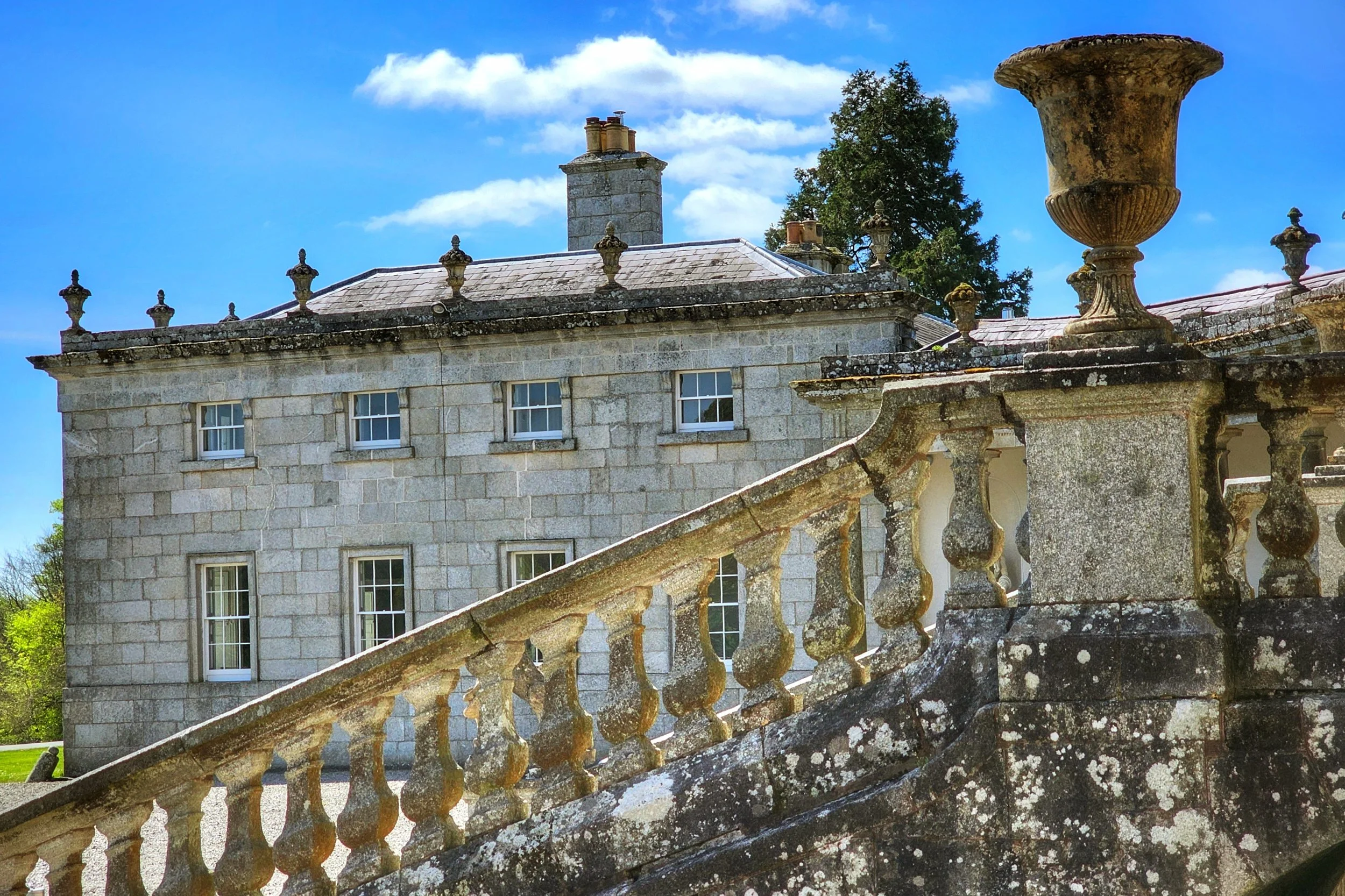
Huntington Castle offers a captivating blend of 17th-century military history and eccentric aristocratic charm. Originally built as a defensive garrison in 1625 by Lord Esmonde, this ancient seat has evolved into a uniquely welcoming family home, continuously inhabited by the descendants of its original builders, the Esmondes, for over 400 years.
Living Lineage
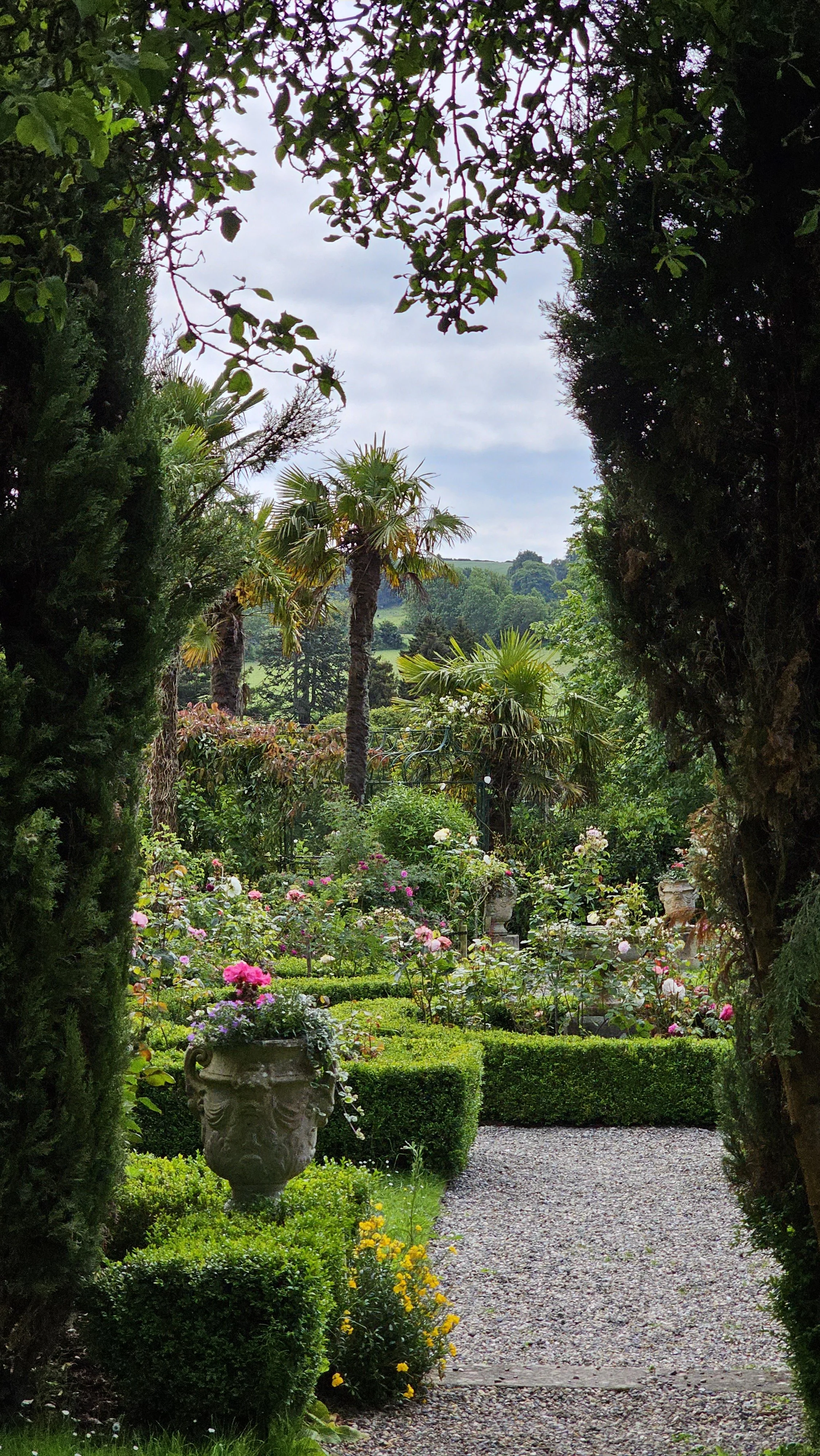
Unlike many heritage sites managed by state bodies, Huntington is the private home of the Durdin-Robertson family. This gives the interior a unique "lived-in" charm, where heirlooms and tapestries sit alongside the ephemera of modern family life.
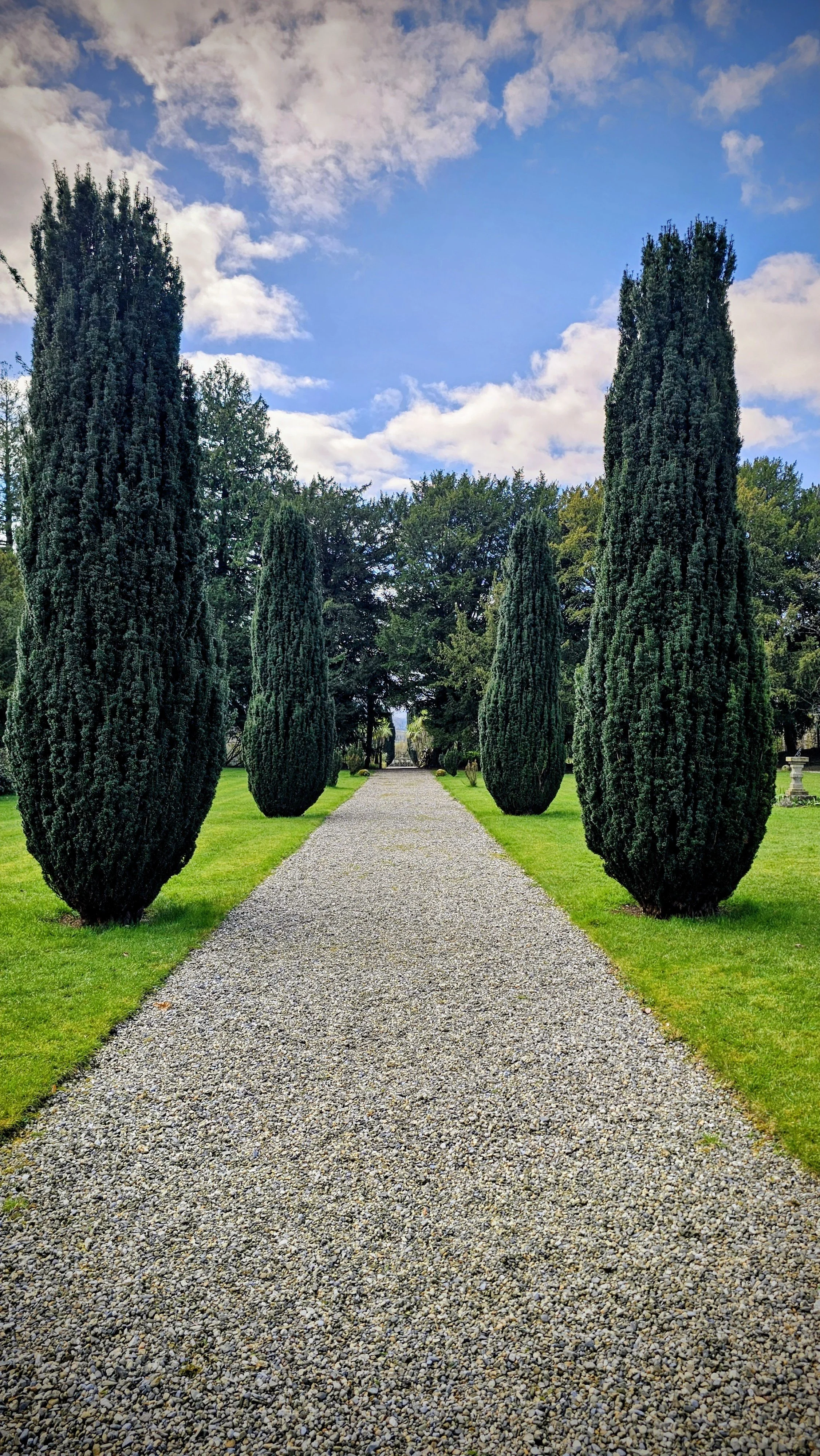
The Yew Walk
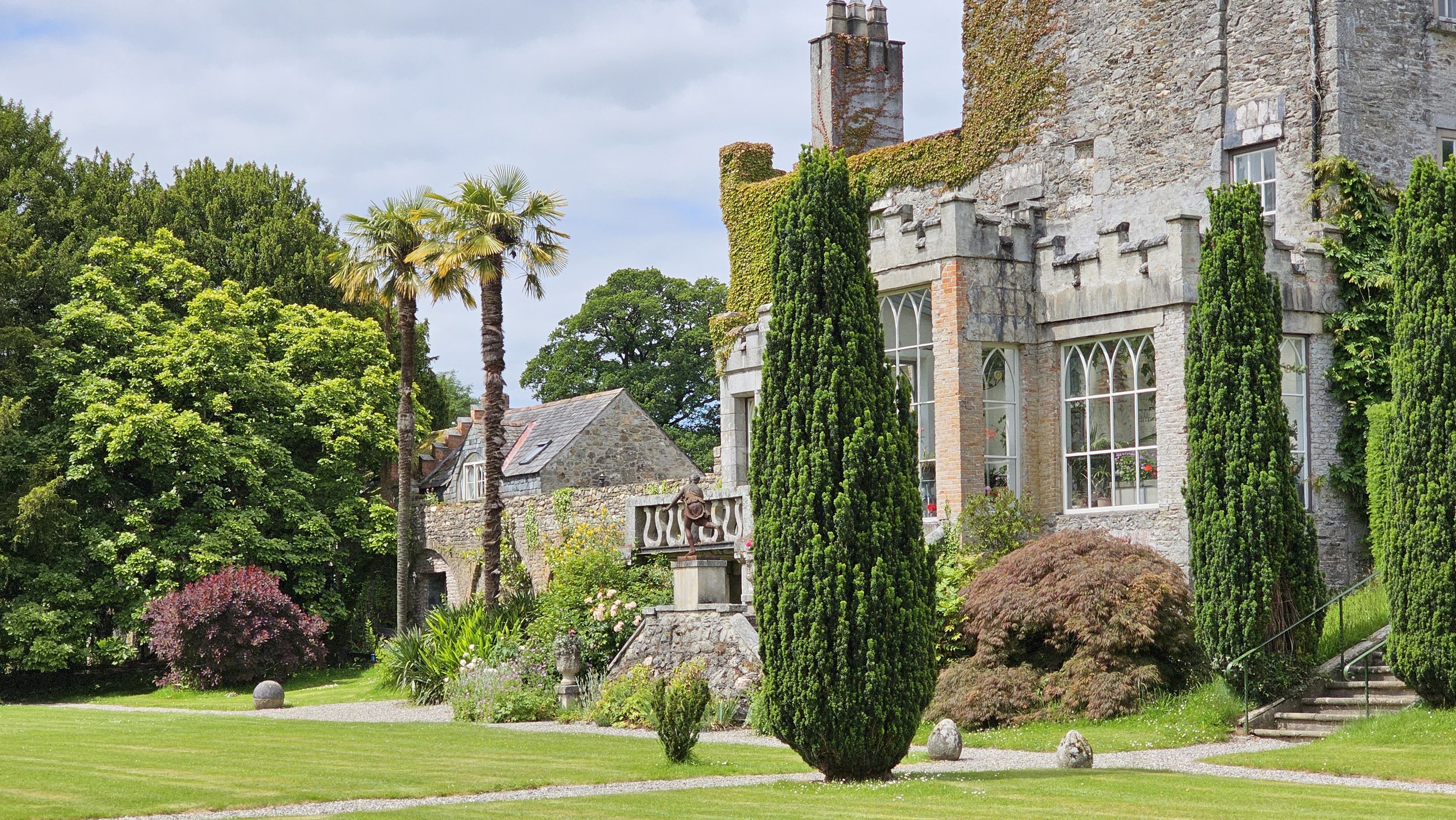
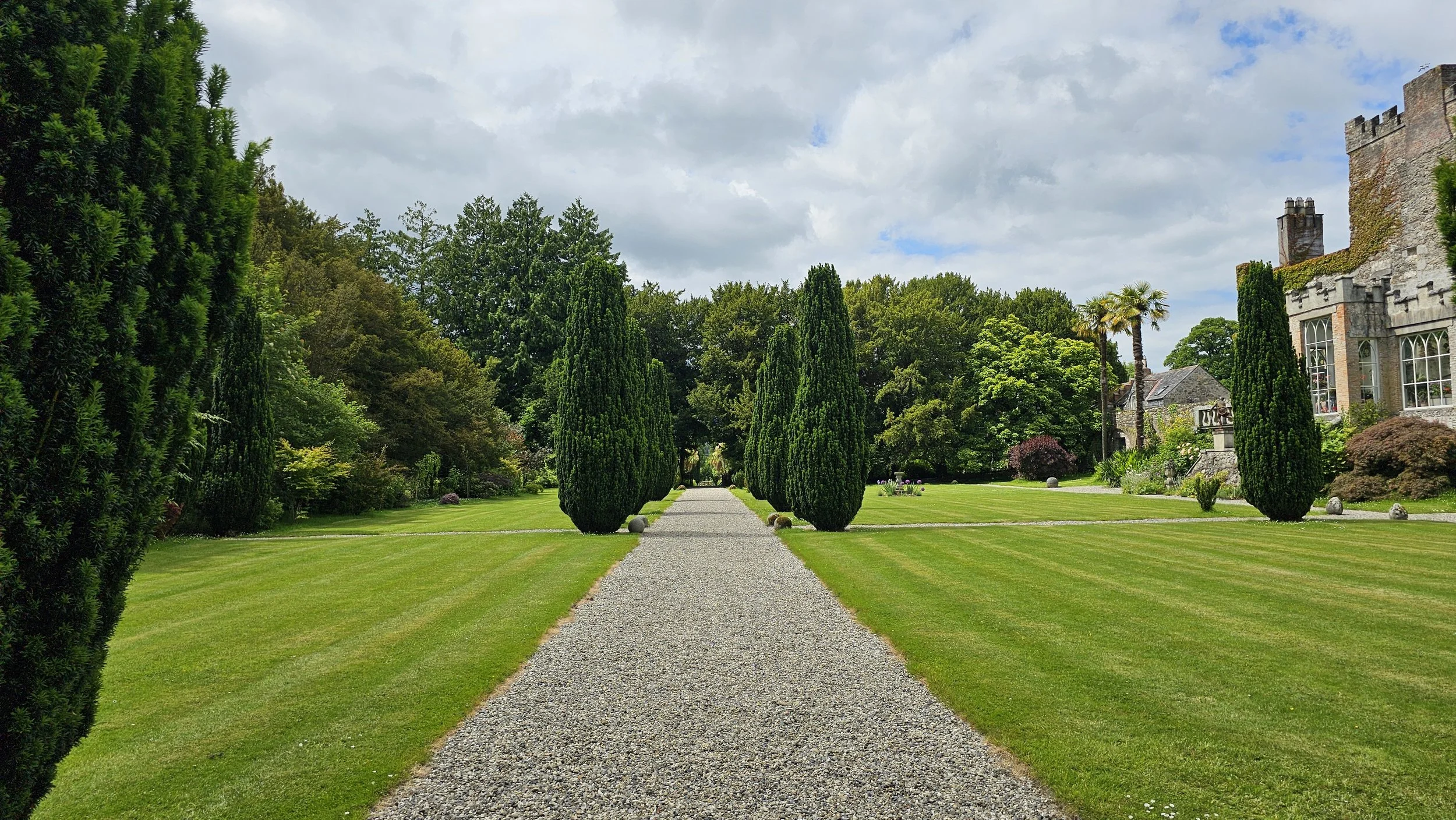
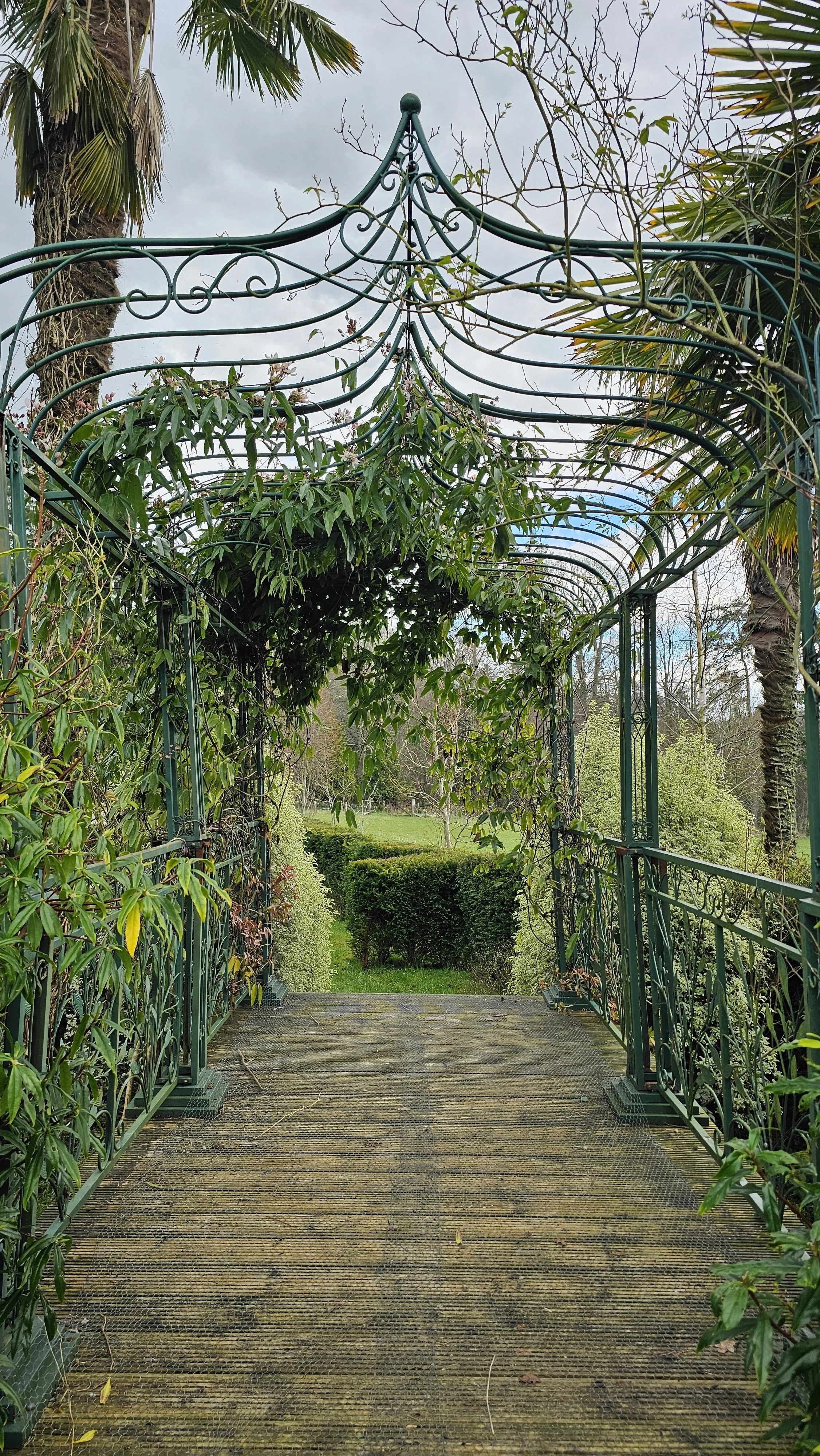
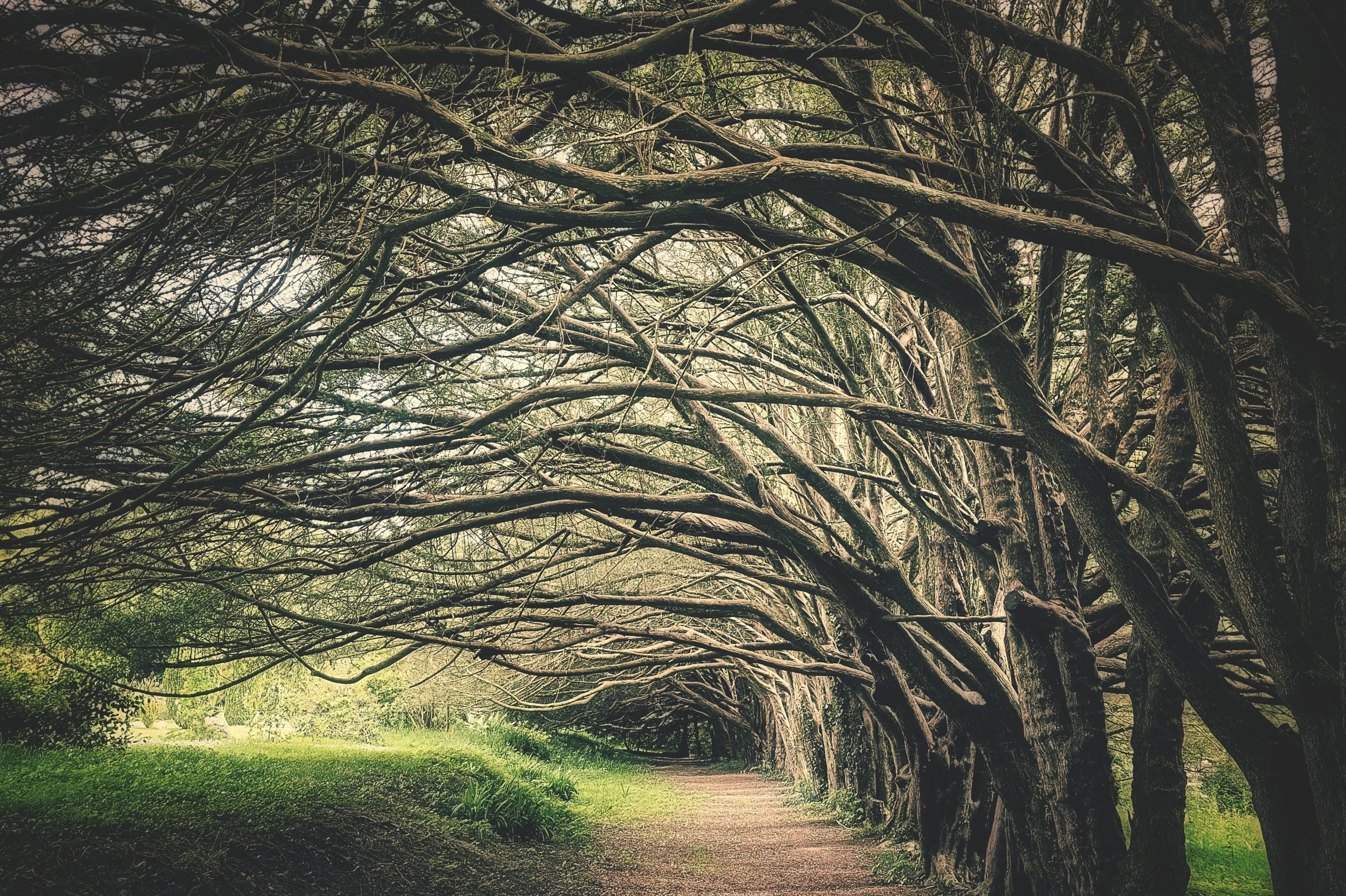
The gardens feature a world-renowned Yew Walk, where the trees are estimated to be over 500 years old. Their branches have intertwined to form a massive, tunnel-like canopy that feels like a portal to another era.
Franciscan Abbey Ruins
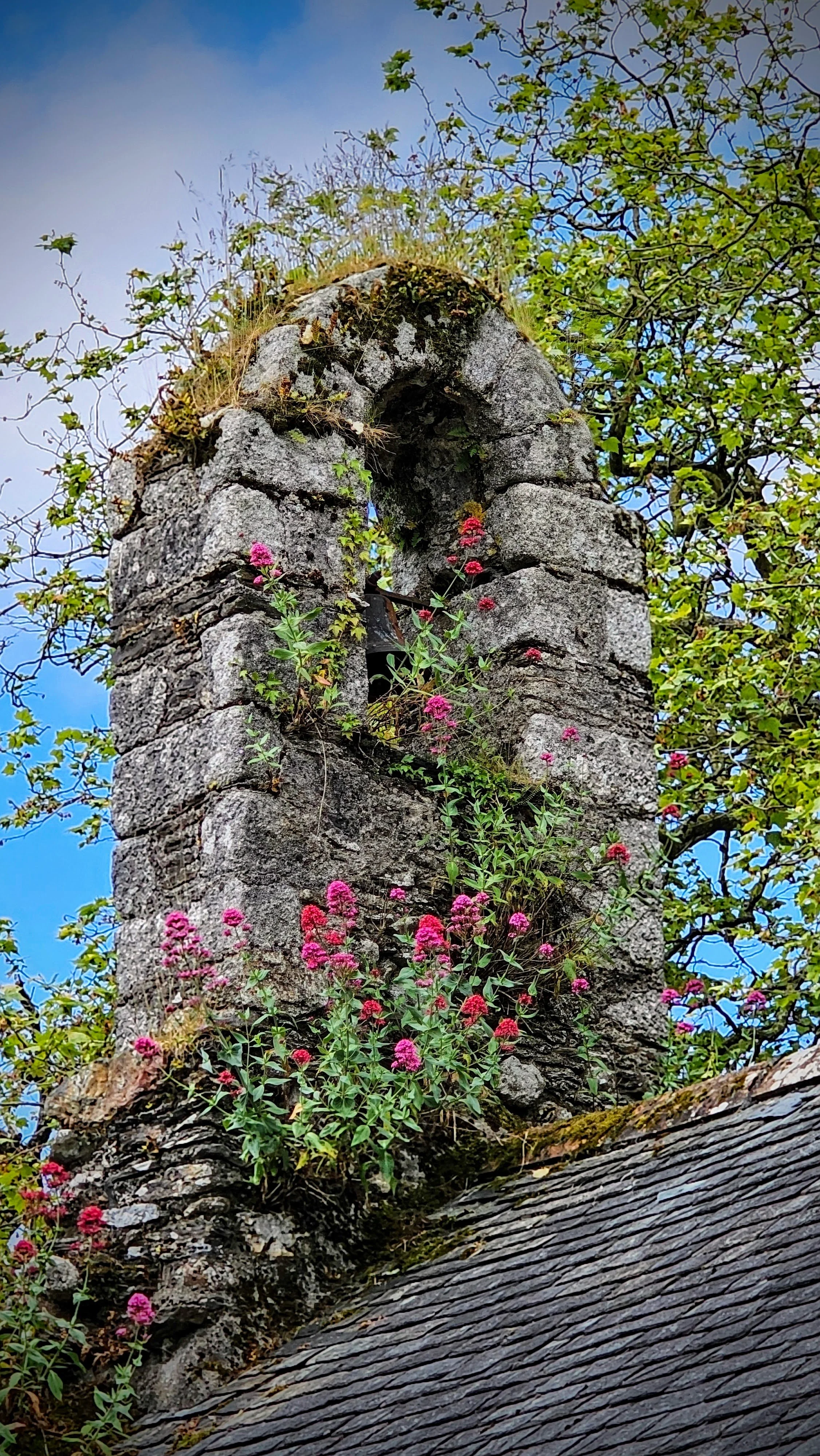
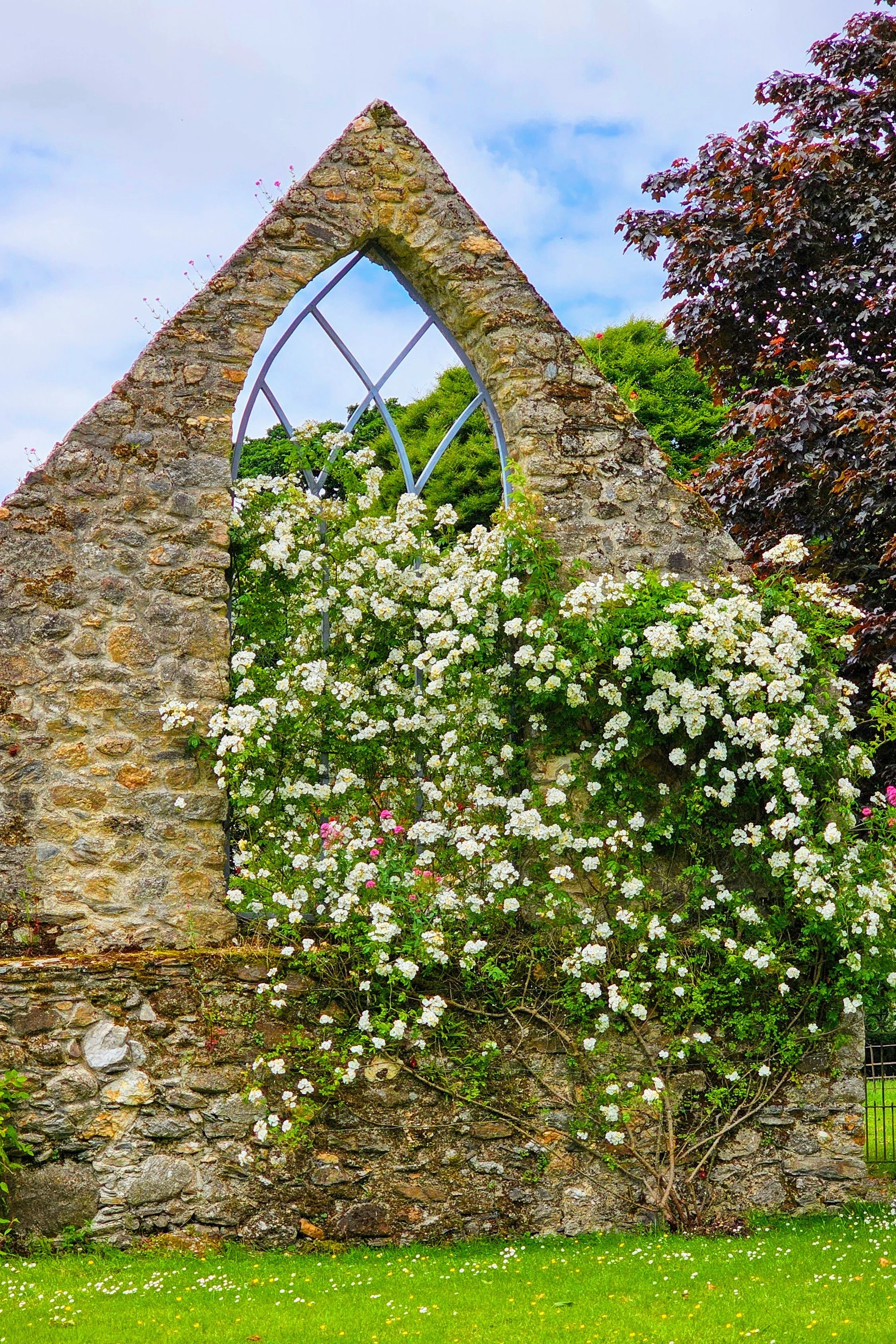
While Huntington Castle is the dominant structure today, it sits upon a palimpsest of history, most notably the spectral remains of a 14th-century Franciscan Abbey located within the castle grounds. These ruins are not a separate, distant site but are intimately woven into the fabric of the estate, offering a quiet, contemplative counterpoint to the castle's fortified walls.
The abbey was largely destroyed to make way for the plantation castle in the early 17th century, but its spirit remains palpable. The ruins themselves are modest—fragmented stone walls and arches that hint at the monastic life that once flourished here. However, the true "ruin" is living: the world-famous Yew Walk.
The Temple of Isis
If you book a house tour, perhaps the most unusual feature you can see is located deep within the castle’s basement dungeons. In 1976, the Fellowship of Isis was founded here, and the basement was transformed into a temple dedicated to the Egyptian Goddess. It remains a spiritual centre decorated with shrines and altars, offering a stark and fascinating contrast to the traditional Irish manorial rooms above.
Access to the castle interior, including the Temple of Isis, is typically by guided tour only. These tours are often led by members of the family or knowledgeable locals who share excellent anecdotes about the castle's "friendly" ghosts and eccentric ancestors.
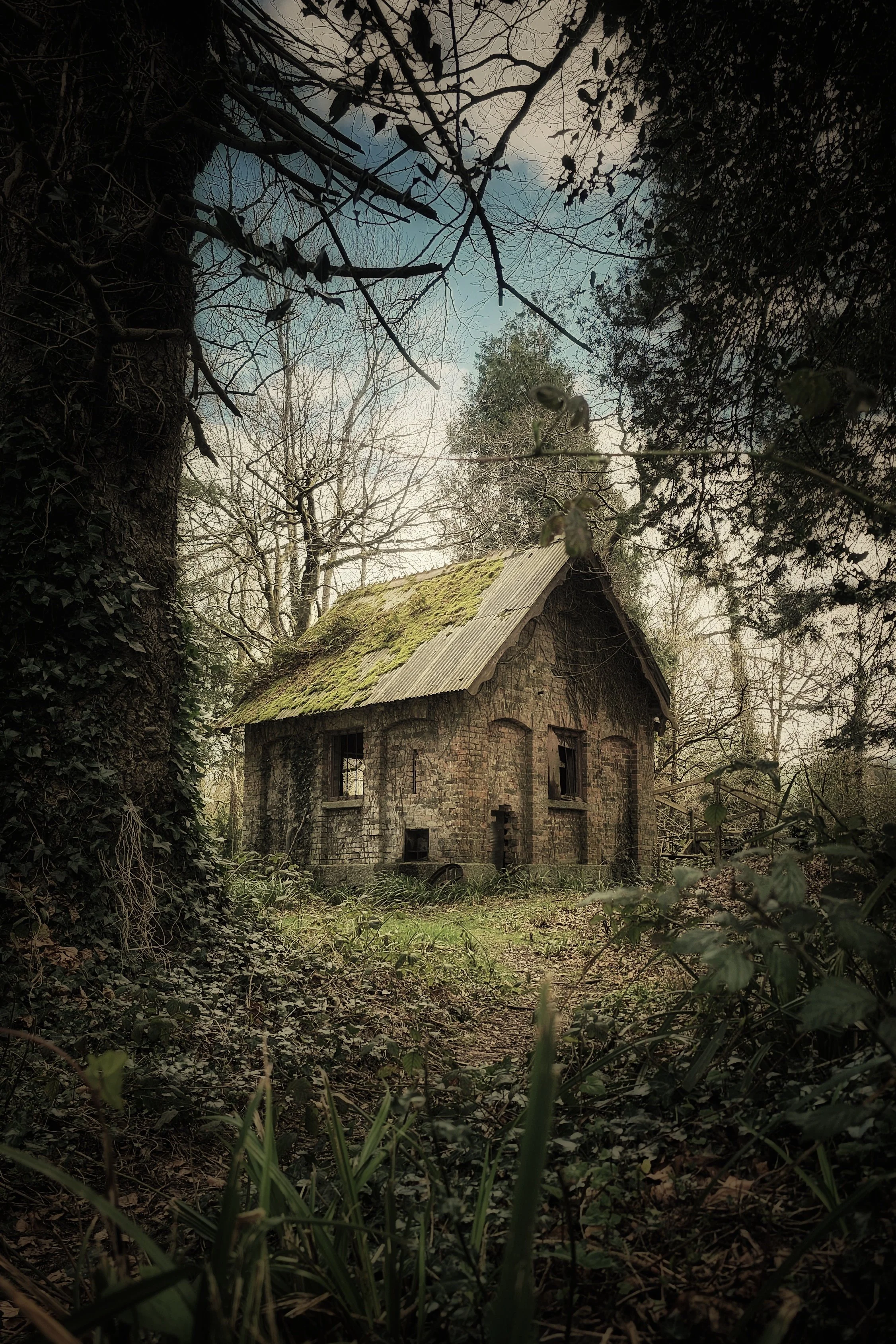
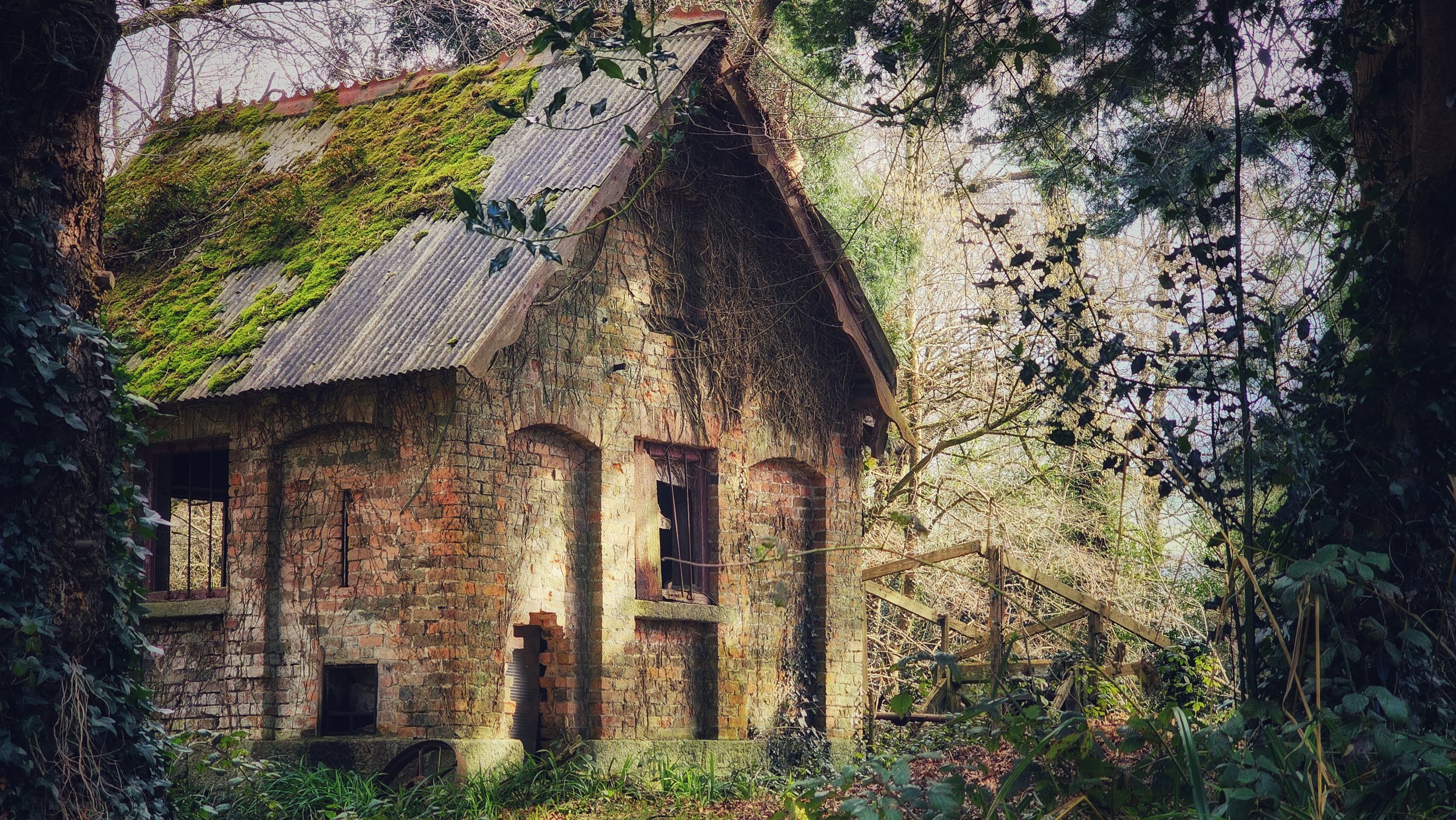
Abandoned Turbine House
The Victorian Turbine House, located at the very bottom of the gardens where the River Derry flows past the estate may look insignificant, it is an important relic of industrial history.
This structure housed one of Ireland's earliest private hydroelectric schemes. Built in 1888 by the Esmonde family, it was a marvel of its time, generating electricity for Huntington Castle long before the national grid reached rural Ireland. The castle was, in fact, one of the first private residences in the entire country to be electrified, a testament to the progressive (and wealthy) nature of its owners.
Seasonal Opening Times
Keep an eye on their website for up-to-date opening times as the Castle and Grounds are only open on certain days or at varying times depending on the month of the year.
General Information
Address
Huntington Castle,
Huntington,
Clonegall,
Co. Carlow,
Y21 K237,
Ireland.
Website
https://huntingtoncastle.com
Opening Hours
Varies by season - check their website.
Accessibility
Not accessible.
Entry
€6.95 per person for the grounds.
€ 13.95 for the castle interior tour.
Parking
FREE
More Houses, Castles and Gardens Ireland’s East…