THE BLACK
CASTLE
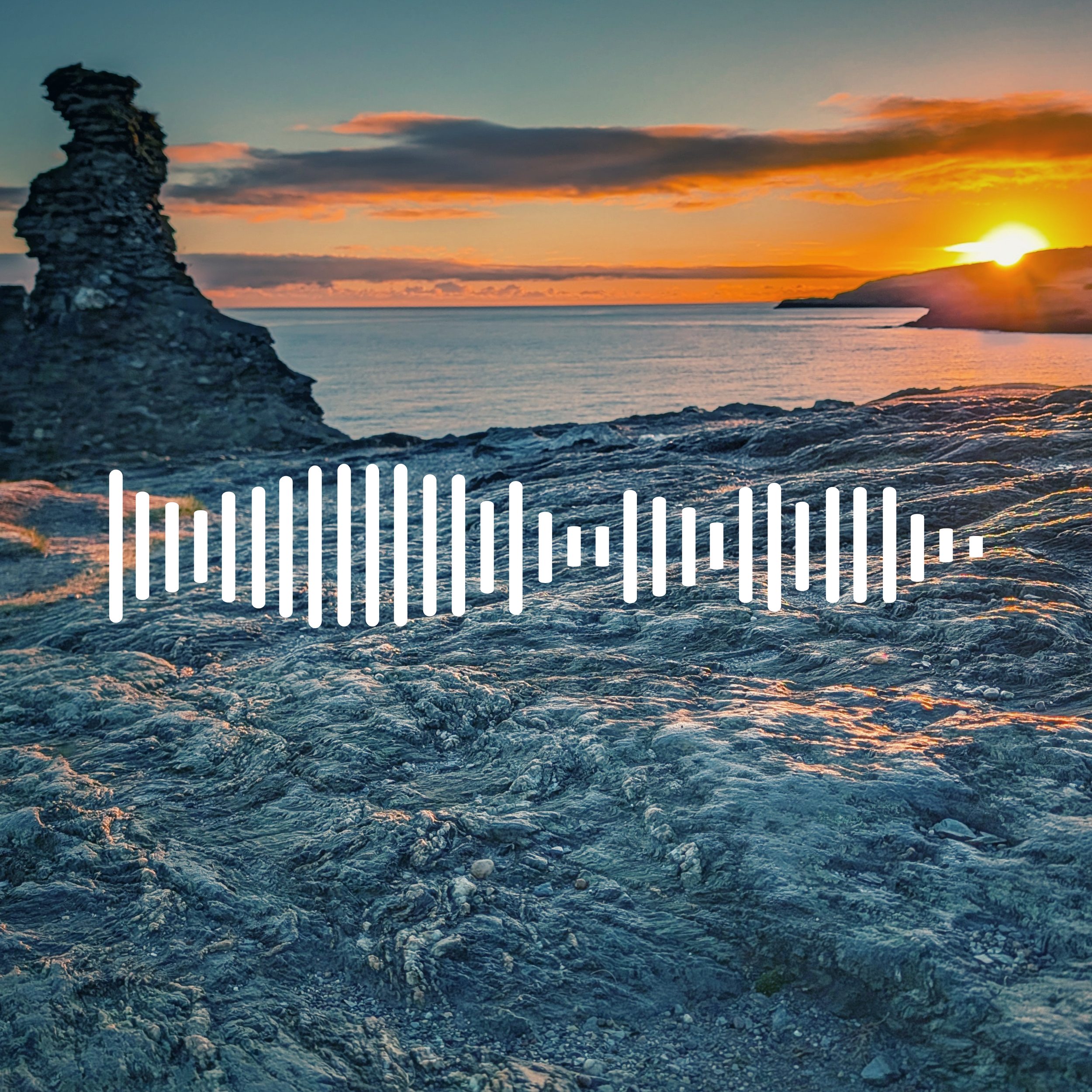
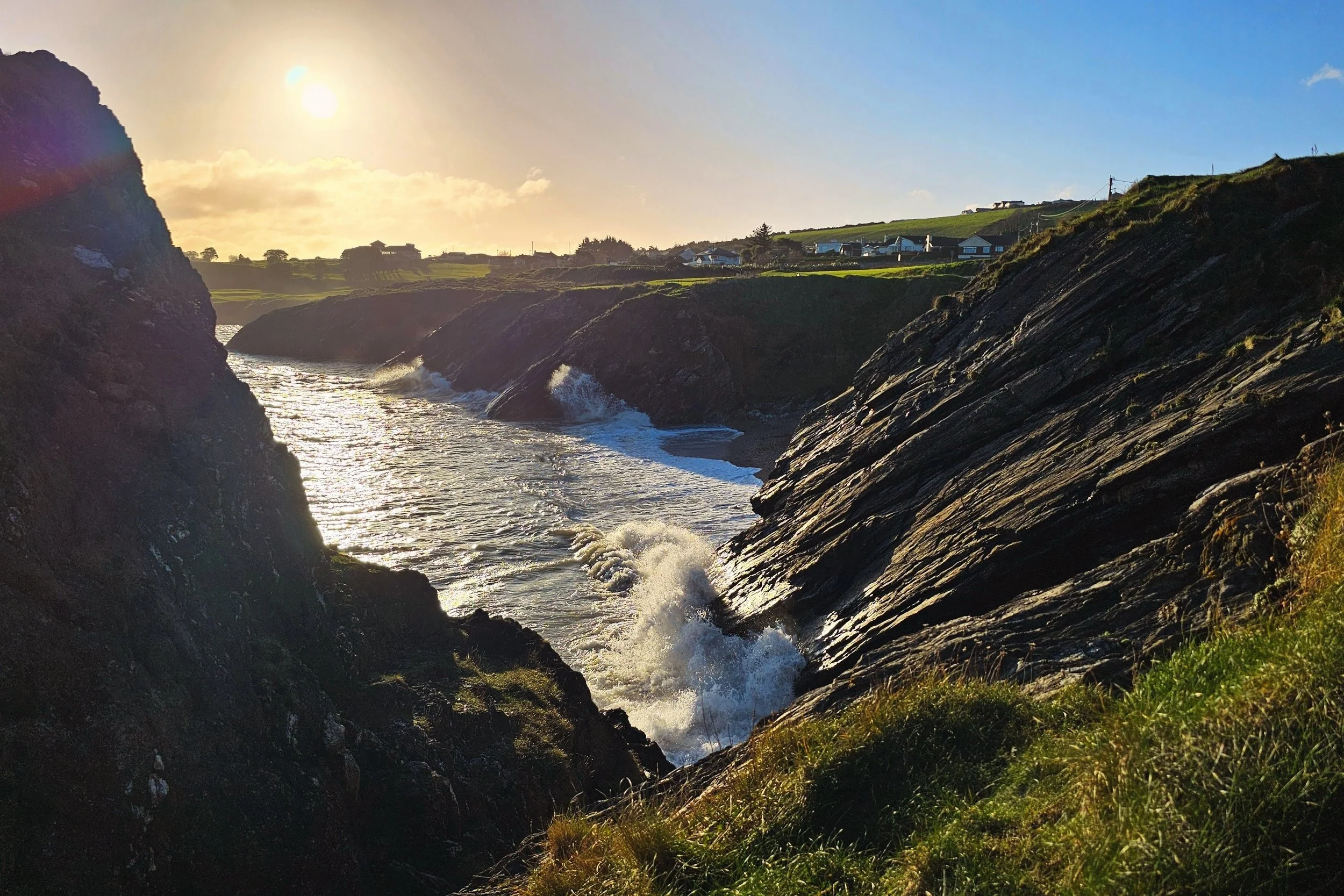
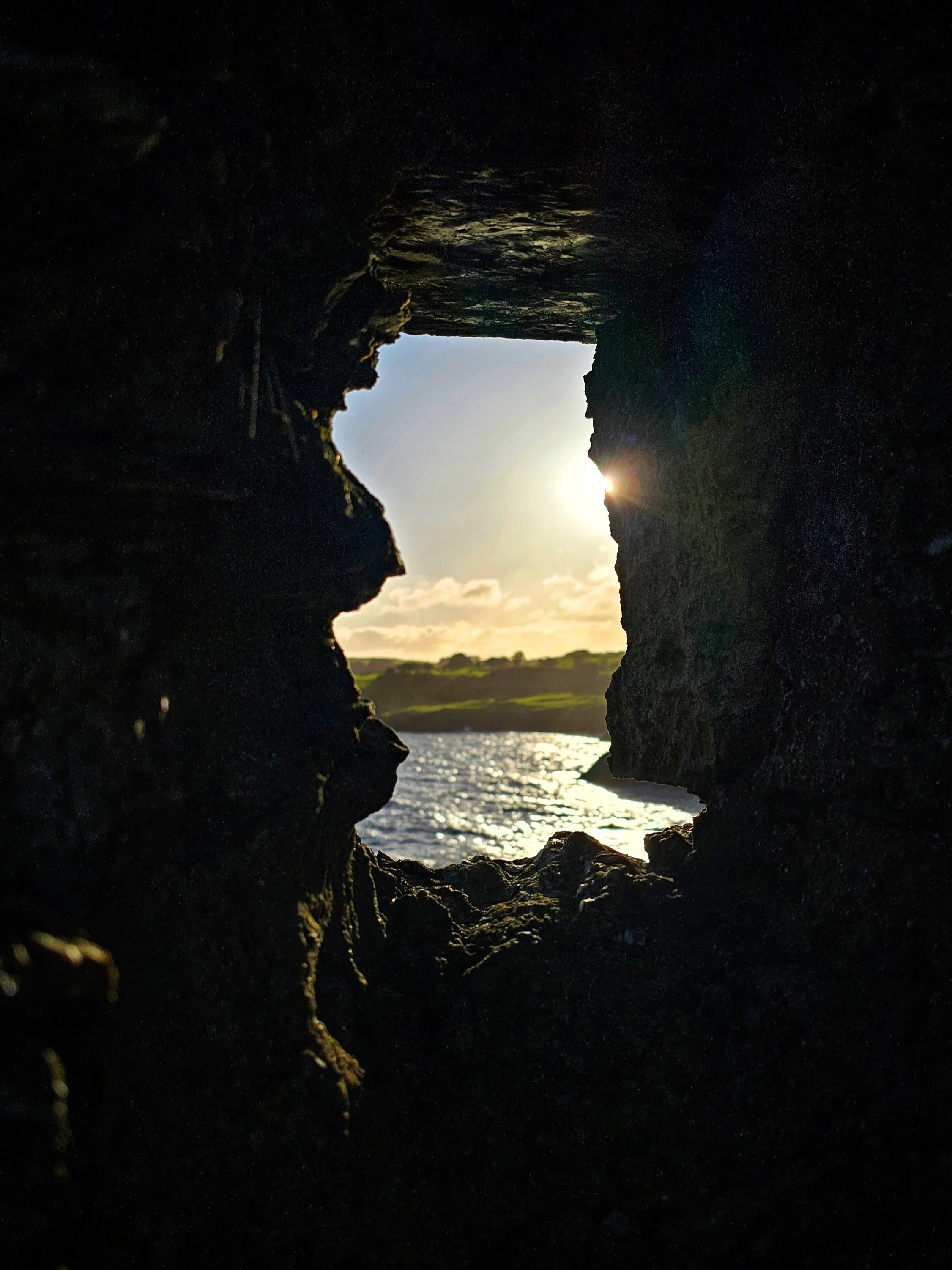
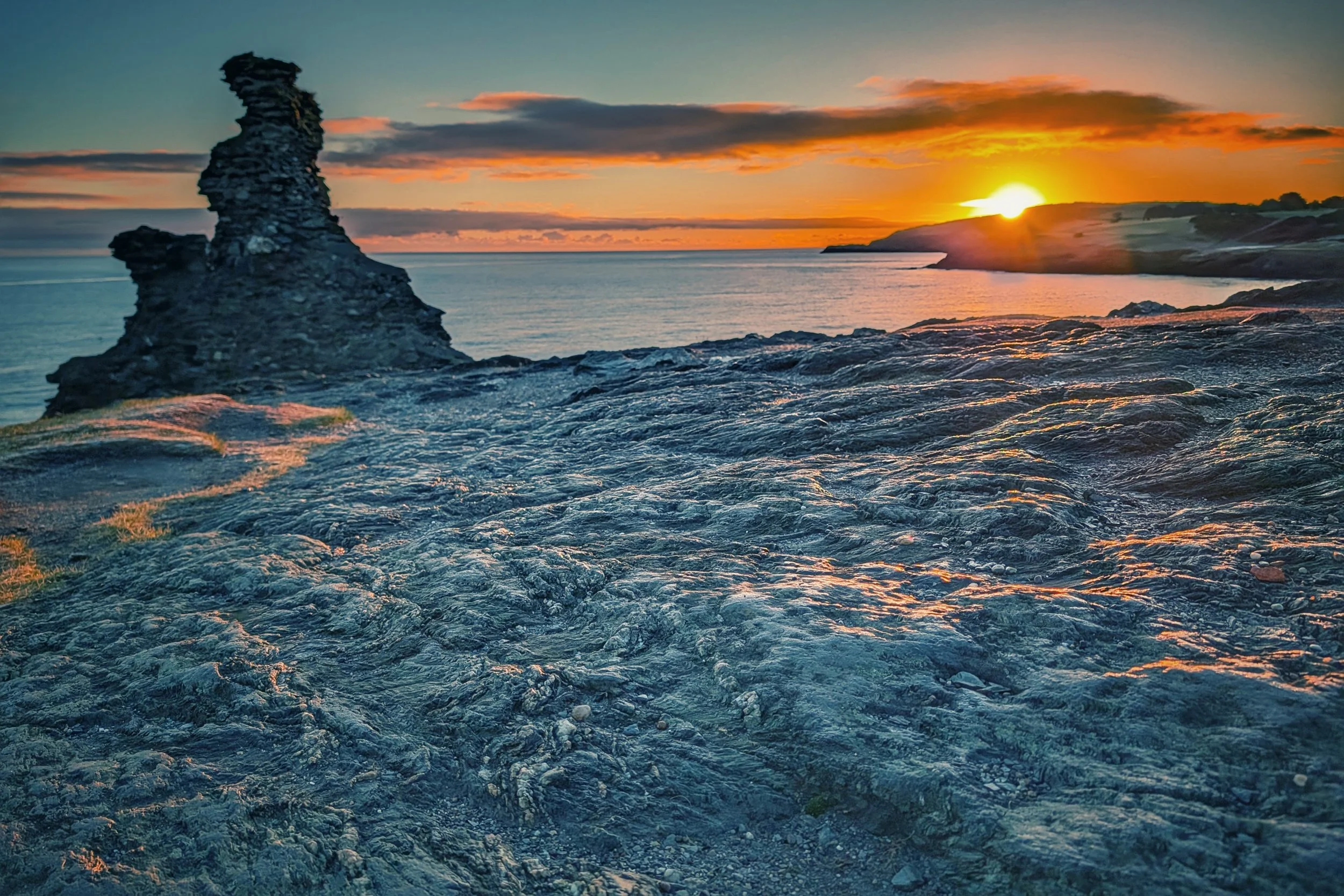
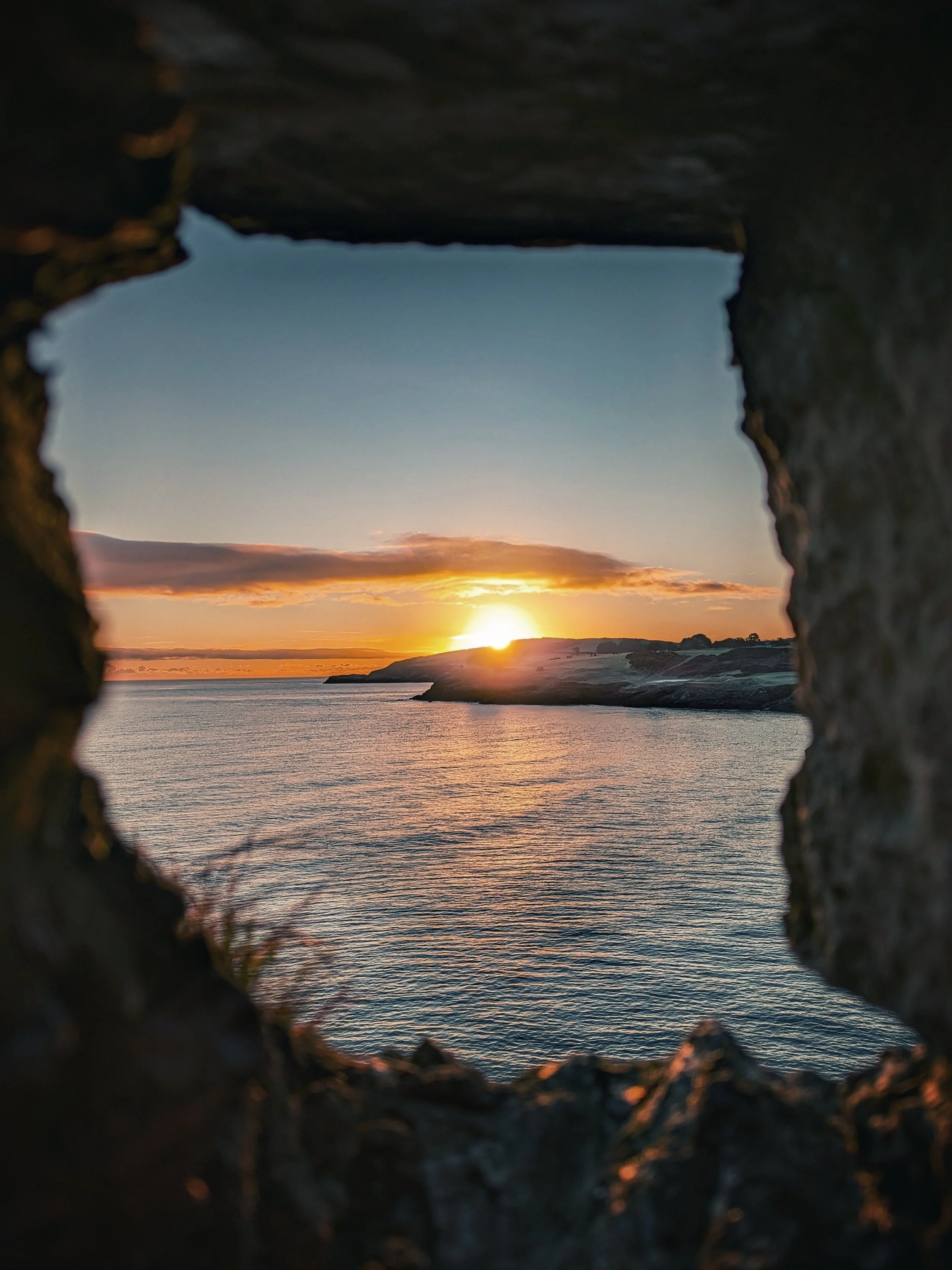
Perched precariously on a rocky promontory jutting into the Irish Sea, the Black Castle offers a hauntingly beautiful glimpse into Ireland's turbulent Norman past. The atmosphere here is defined by the elemental clash of stone and water; the ruins stand as weathered skeletons against the backdrop of crashing waves and sweeping coastal winds.
The "Decayed Teeth" Silhouette
What remains of the castle - primarily the corner towers and fragments of the triangular keep - rises from the headland like jagged teeth. These ruins are separated from the mainland by a massive fosse (ditch) cut directly into the rock, a testament to the desperate defensive measures of its original builders.
Rock-Cut Steps
Keep an eye out for the ancient flight of steps carved directly into the cliff face. These worn pathways connect the fortification to the sea below, hinting at secret supply runs and desperate escapes during the many times the castle was besieged and burned.
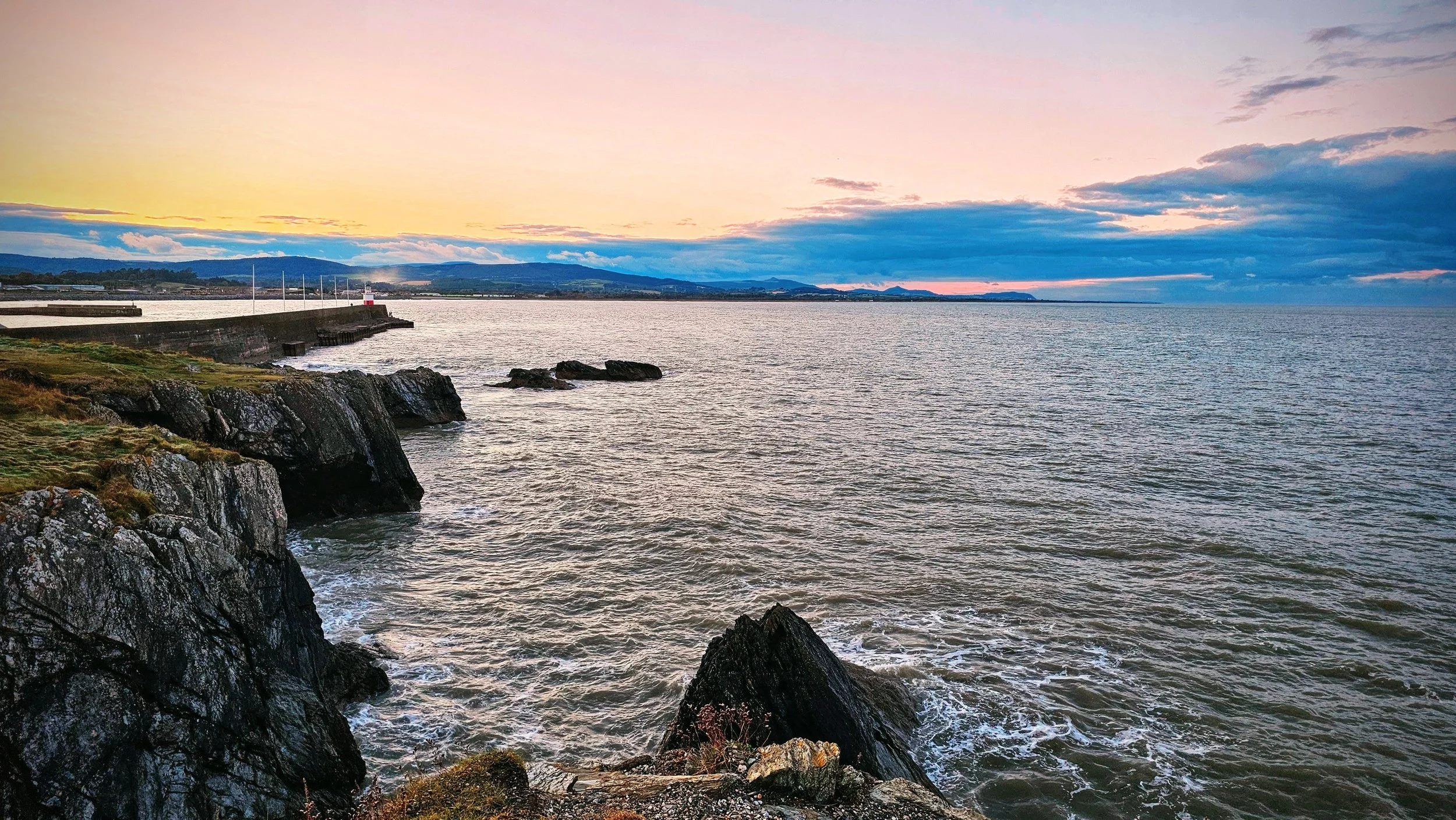
Panoramic Vantage Point
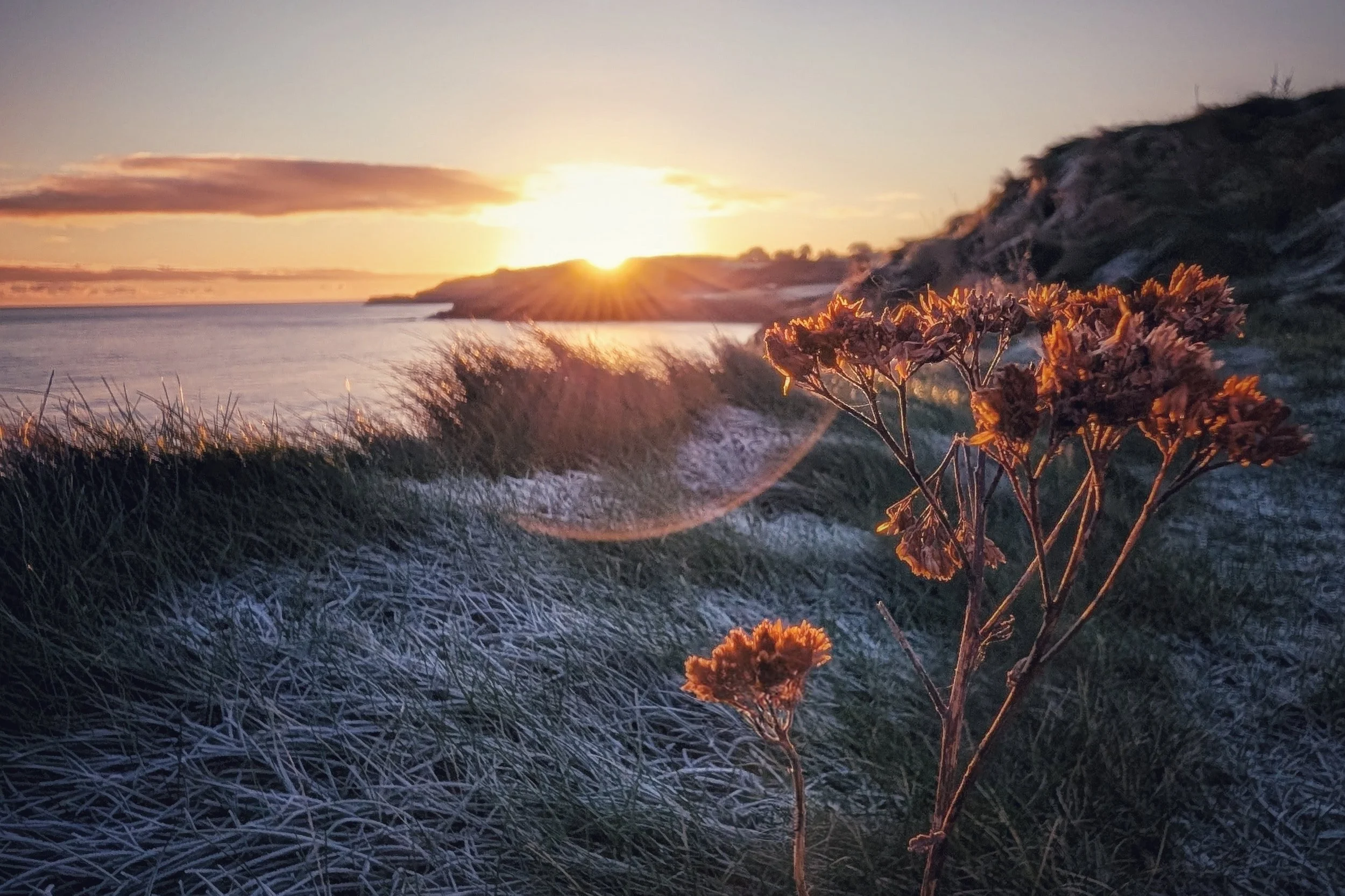
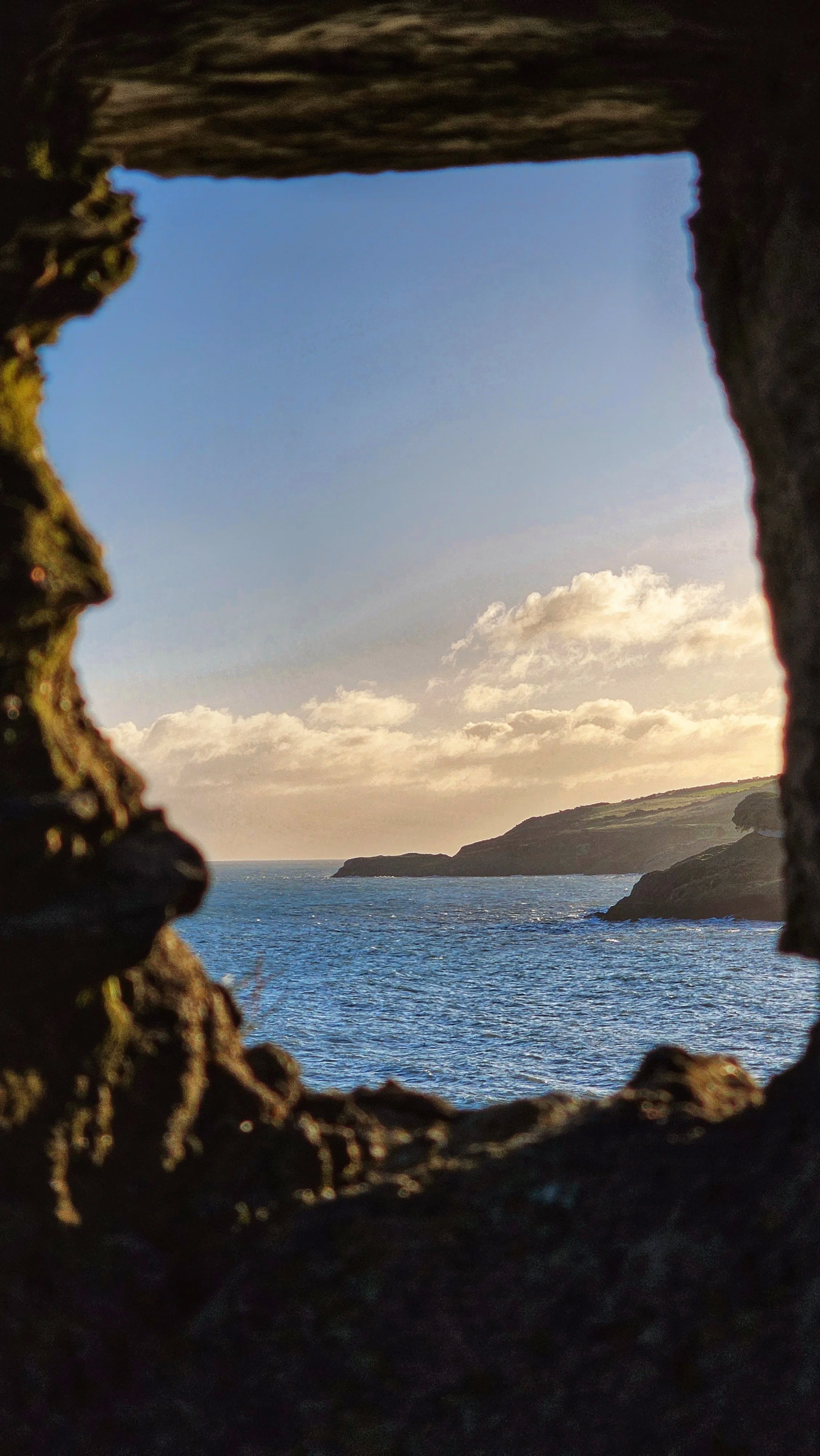
The castle’s position on the promontory provides a dual perspective: to the north, you have sweeping views of the Wicklow Mountains and the town's harbour; to the south, the rugged coastline stretches out toward Wicklow Head, often framed by the volatile moods of the Irish Sea.
There’s also a lovely small beach cove you can walk down to called "Travelahawk Beach," which translates from Irish as "The Beach of the Hawk."
History and Folklore
According to local legend, when St. Patrick arrived in his boat and landed at Wicklow (the Vartry river mouth), the locals were very hostile. A stone was thrown at the saint, knocking out his front teeth.
The massive gap you cross to enter the ruins isn’t natural. Norman knights hand-cut the 20-foot trench through solid rock 800 years ago to stop attackers.
It earned the name "Black Castle" because it was burned down so many times by the local O'Byrne clan that the stones remained permanently scorched.
Before the castle existed, this cliff was a strategic Viking fortress used as a base to raid inland monasteries like Glendalough.
Wildlife
The waters below the castle cliffs are a haven for marine life. Visitors frequently spot grey seals bobbing in the surf or resting on the rocks at the base of the promontory, particularly near the adjacent Travelahawk Beach.
General Information
Opening Hours
24 hours.
Accessibility
Not wheelchair accessible to the actual castle, but there’s a picnic area and benches nearby with views of the cliffs and castle.
Entry
FREE
Parking
The car park is free.